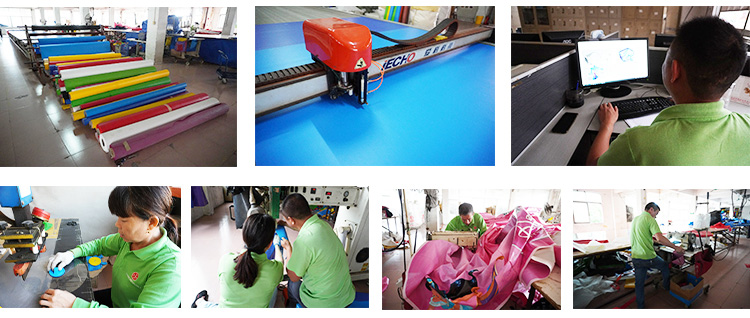

[Click the picture to enlarge and get detail]faq

Polyurethane

2009-04-14 18:34:12  
BBC Four is a BBC television channel available to digital television (Freeview, IPTV, satellite and cable) viewers in the UK. The part successor (with CBeebies) to BBC Knowledge, it launched on 2 March 2002.


It shows a wide variety of programmes including drama, documentaries, music, international film, comedy and current affairs ... an alternative to programmes on the mainstream TV channels.1

BBC Four has an annual budget of ï¿¡67m (ï¿¡49.8m on content, ï¿¡2m distribution, ï¿¡15.2 infrastructure) which is only 4.7% of that of BBC One2 (but 1.8% of the audience) and consequentially has a schedule dominated by repeats.


Programming

The first evening's BBC Four programmes were simulcast on BBC Two. BBC Four is notable for first showing Larry David's Seinfeld follow-up, Curb your Enthusiasm3, Armando Iannucci's cutting political satire, The Thick of It and Flight of the Conchords.

BBC Four share of viewing 2002-2007 BARB figures

The channel broadcasts a mixture of art and science documentaries, vintage drama (including many rare black-and-white programmes), and non-English language productions such as films from the Artificial Eye catalogue and the French thriller Spiral. BBC Four further supports foreign language films with its annual World Cinema Award which has been running since 2004.

On weekdays at 19.00, the channel shows a 30-minute global news programme called World News Today, simulcast with and produced by BBC World News. It screens a number of original documentaries such as The Century of the Self and The Trial of Henry Kissinger. The channel is also home to many political travel shows such as Holidays in the Axis of Evil which features investigative journalism.

Drama has given the channel some of its most popular programmes, with The Alan Clark Diaries (2003) and Kenneth Williams: Fantabulosa! (2006) being among the highest rated, with over 800,000 viewers. The 18 March 2008, broadcast of The Curse of Steptoe brought the channel its highest audience figures, estimated as 1.41 million viewers, a 7% share of multichannel audiences between 9pm and 10.05pm, based on overnight returns. 4 The official audience figures for the broadcast, including time-shifting, were later published as 1,625,000. 5 Another notable production was a live re-make of the 1953 science-fiction serial The Quatermass Experiment, adapted from the original scripts into a single, two-hour version (though on the night it in fact underran considerably, lasting less than 1 hour 40 minutes), broadcast on the evening of Saturday 2 April 2005. Discounting BBC Four's previous live relays of theatrical Shakespeare productions, this was the first live made-for-television drama to be broadcast by the BBC for twenty years.

Another notable programme broadcast on BBC Four is "Charlie Brooker's Screenwipe" it contains reviews of current shows, as well as stories and commentary on how television is produced. The show is presented by broadcaster Charlie Brooker.

According to BARB the comedy panel game QI has the highest ratings of any show on BBC Four. 6

At the Edinburgh International Television Festival, BBC Four won the Non-Terrestrial Channel of the Year award in 2004 and 2006.

On the Freeview digital terrestrial television platform, BBC Four is broadcast in a statistically multiplexed stream in Multiplex B that timeshares with the CBeebies channel; broadcasting from 7 pm to about 4 am every day.


On-screen identity

Main article: History of BBC television idents

The BBC's "cultural" channel BBC Four was launched on 2 March 2002 as a successor to BBC Knowledge. The initial series of idents were generated dynamically reflecting the frequencies of the continuity announcers' voice or of backing music and were designed by Lambie-Nairn. As a result, no two idents were ever the same.

When the channel first started airing, it used the slogan "Everyone Needs A Place To Think", but the BBC stopped using this several months after the launch. However the BBC Four logo and above slogan can be found, engraved on benches along the South Bank in London, between the London Eye and Waterloo Bridge.

In September 2005, the channel's new idents based on the theme of an "four" and optical illusions, for example a swimming pool where a person on aninflatablering appears in the bottom left corner, though ripples don't enter the remaining quarters. Although the image appears as one at the start of the ident by the end it is clearly four separate images.

Fun House was a United States children's television game show that aired from September 5, 1988 to April 13, 1991, originally in syndication, and later on the Fox Network. A British version was also made, which screened on ITV between 24 February, 1989 and 31 December, 1999 and made by Scottish Television. Fun House was produced by Stone Television (later Stone-Stanley Productions), in association with and distributed by: Lorimar-Telepictures (1988-89), Lorimar Television (1989-90), Telepictures (1990-91) and Warner Bros. Television (1990-91).


Repeats of the UK version are currently airing on Challenge.


USA Format

The American version was hosted J. D. Roth, who was assisted by cheerleading twins Jacqueline "Jackie" and Samantha "Sammi" Forrest. The announcer on the syndicated version was John "Tiny" Hurley. He was replaced for the Fox version by Michael Chambers, a.k.a. "MC Mike"

Two teams (Red Team and Gold Team) of two children (a boy and a girl) played messy games and answered questions to win a chance to run through an obstacle-strewn Fun House at the end of the show. The Red Team was on the viewer's left and the Gold Team was on the viewer's right at the contestant podium.


Round 1 (Stunts)

Both teams play three stunts (one for the boys, one for the girls and one for all players). Other stunts resembled those on another children's game show, Double Dare (in fact, Double Dare often mocked Fun House many times due to its similarities when the former was still taped in Philadelphia); still others involved hitting opposing players in the face with pies. Several games, such as "Pinhead" and "Dump-O", were races to answer a certain number of questions first, with the losing player being slimed by an unusual contraption. The winner(s) of each stunt won 25 points. If the stunt ended in a tie, both teams received the points. After each stunt, the teams returned to their podiums to answer a toss-up question (that somehow tied in with the stunt) for an additional 25 points.


Round 2 (Fun House Grand Prix)

This was a high-stakes point earning round that decided the winning team. Team players had to race two laps around the studio; one pushing the Grand Prix "car" and the other steering. While racing, teams collected white and blue point tokens worth 10 and 25 points, respectively; they could collect as many tokens as they wanted but only tokens that remained with them at the end of the race counted (dropped tokens were taken out of play). After one lap, the contestants switched places in the car (the pushing contestant now steered and vice versa). Usually small challenges were set up around the track that each team had to complete (such as gathering each of several food items or hitting targets with a seltzer bottle).

Starting later in the syndicated version, a token bank was placed near the track on the second lap, at which teams could make a pit stop to grab as many tokens as they could. The first team to cross the finish line earned an additional 25 points. At the end of the race, the teams returned to their podiums and the host counted up the tokens, starting with the trailing team. The team with the most points after all the tokens were counted up won the game and advanced to the Fun House. If the game ended in a tie, one last tie-breaker question was played. A correct answer sent the team to the Fun House, but an incorrect answer meant their opponents could answer the question.


Round 3 (The Fun House)

Contestants on the winning team took turns entering the Fun House and tried to grab a series of tags (three tags per player per turn) in each room in the Fun House. The green tags represented cash, and the red tags were prize tags. One randomly selected tag also included the "Power Prize", which if found awarded the team with a big trip. This continued for two minutes, after which the cash and prizes were added up, and the team was told if they had won the Power Prize. Any cash earned was awarded to each player.

In the FOX version of the show, a "Glop Clock" was also hidden in the house; finding this specially marked alarm clock earned the team an additional 15 seconds (at the end of the main two minutes) to collect tags. In addition, time was started when the contestant hit the water after thewater slidewas added.


Rooms In The USA Fun House


1st version

  • Balloon Lagoon (a small pool filled with water and balloons; players could enter the fun house through the Lagoon from a set of stairs leading into it, but they could not exit through those same stairs)
  • Fundromat (a giant revolving tunnel filled with clothes)
  • Tiny's Room (two closets, one of which had Tiny in it with a seltzer bottle and the tag)
  • The Shower Room (a series of connected shower stalls with seven doors, only one of which was unlocked)
  • Zapeteria (a mock cafeteria in which the opposing team attacked the runners with whipped cream and pies; used in College Mad House, later used in the Fox version of the series)
  • The Dump (Ballroom covered with trash cans and trash bags)
  • The Swamp (Small lake with the tag in the mouth of an artificial alligator)
  • Small Tall Hall (5 doors, with the doors going from small to largest)
  • Icecave/Batcave
  • Chomping Choppers (Pressure Cooker with eyes and teeth)
  • Windchimes (Large wind chimes close together)
  • Wrong Way Street (a reverse treadmill; pilot version only)
  • Booby Trap (eight small foot holes covered by thin paper)
  • Swimmin' Hole (small pool with the tag hanging from a small pole)
  • Tubular Tunnel (spinning tunnel that connected between the Ballroom and the Cave)
  • Boiler Room (a twisted maze of pipes leading to the next floor)
  • Prize-O-Mat (a vending machine with candy in all five slots, one of which also contained the tag)
  • Mount Fun House (stairs leading to a peak (sometimes had a condor's nest at the peak) that led to a small room that led to two slides; later, also had a bridge connecting it to The Dump)
  • Weather Room (a small drizzle rained on the contestant; the tag was attached to a high balloon)
  • Wallpaper Room (peel the wallpaper and find the tag)
  • Windowsill (a flower with 8 "petals", one of which is the tag, standing in the windowsill)
  • Drawbridge (a small bridge hanging over the first slide in Mt. Fun House)
  • Spider's Web (The drawbridge covered with cobwebs, and a spider hanging down with the tag attached; pilot version only)
  • Shaky Quaky Room/Forest (trees and/or buildings on top of a waterbed)
  • Box Room (Boxes stacked on top of one another, with one box containing the tag)


2nd version

  • Turntable (spinning turntable found at entrance)
  • Moon/Rainbow Bridge (arch that spanned the end of the water slide)
  • Fun Bank (a fake brick wall guarding a safe which housed the tag)
  • Pirate Ship (whack the right pirate for the tag)
  • Main Ship Deck (spin the ship's wheel to lower the tag)
  • Earthquake Bridge (a bridge that swayed front to back)
  • Soda Can (A gushing soda can with a tag hanging near the tab of the can)
  • Cuckoo Clock (placing both clock hands on the 12 made Tiny appear, who handed the contestant a tag and sprayed him or her with a seltzer bottle.)
  • The Vines (tall vines filled this area, one of which held the tag)
  • Telephony Room (tag was hidden under the ringing telephone)
  • Prize Cage (a birdcage with the tag toward the top)
  • Rainbow (pull down the cords which dropped down colored slime and a tag)
  • Tree house (Climb up the ladder and grab a tag hanging from one of the branches)
  • Cave (a cave hidden in the falls)
  • Tubular Tunnel (Tunnel that spins around)
  • Exit (small skateboard going down a ramp; no tag here)
  • Avalanche Room (rocks tumbled toward the contestant upon entry, revealing a tag)
  • Rocket (hit the switch to launch the rocket and grab the tag)
  • Haunted House (Two coffins were in here, one filled with blood, the other with Tiny with a seltzer bottle; either coffin contained the tag)
  • Coconut Tree (palm tree with tag hanging under one of the leaves)
  • Stew Pot ("boiling" pot with tag hidden in the stew)
  • Pirate's Cove (two areas: a fire pole and a pilots room with a tag inside)
  • Paddle Wheel (a running wheel on the side of the ship with a tag attached)
  • Fridge Raiders (Huge fridge where tag lies in waiting)
  • Crazy Cottages (Two small outhouses with an open window connecting the two, tag is in 2nd/top room)
  • Big Mouth (a head with a large tongue, where a tag was located)
  • Treasure Island (located in the pool, where there is a small chest with the tag inside)
  • Hurricane Alley (much like the Earthquake Bridge, except covered with palm trees)


College Mad House

A version of Fun House for college students aired in weekly syndication, and was titled College Mad House. This version was hosted by future Academy Award-nominated actor and television personality Greg Kinnear, and pitted two teams of four students each from rival colleges against each other (for example, one episode featured the University of Texas versus the University of Arkansas). Instead of cheerleaders, a male and a female "referee" assisted with the gameplay. Veteran V/O Beau Weaver(currently an infomercial host) was the announcer.

This version featured much more stunts than the children's version, often involving crude college gross-out humor and games that required lewd bodily movements among the participants. The format was basically the same, but with some notable differences:

  • The stunts were changed to accommodate four-person teams; the two men from each team faced each other, then the two women, with all four players on each team participating in the third stunt.
  • The Grand Prix round was replaced with the "Finals", in which the teams lined up face-to-face at the podiums. Jump-in-questions from a specific category were asked; getting a question right earned 25 points and the right to hit the opposing player in the face with a pie. These two players then rotated to the back of the line, with the next two players answering the following question. The team in the lead after a minute and a half advanced to the Mad House.
(Note: The pie in the face would carry over to the FOX version of Fun House; a correct answer to the question following a stunt allowed the player getting it right to pie his or her opponent.)
  • The format of the Mad House was changed slightly from that of Fun House. As in the original version, the team had two minutes; however, each player had exactly 30 seconds to collect as many of the 13 tags as possible. After one player's 30 seconds ended, he/she had to stop collecting tags wherever he/she was at, and the next contestant was let in immediately (although a contestant could stay in the house after 30 seconds). If a team "cleaned house" by collecting all thirteen tags, they won a trip - this rule was used instead of the Power Prize.

(Note: The layouts of the Mad House were almost identical to that of the Fun House layouts in use at the time that show was being taped; however, many of the names of the "rooms" or obstacles were changed to reflect college life. Also, given that each player had 30 seconds to grab tags, the on-screen clock would show :30 to start, so when a new teammate entered the Mad House, the clock would reset back to 30.)


UK version

The UK version was hosted by Pat Sharp, who was also aided by twin cheerleaders, Melanie and Martina Grant. The announcer was Gary King. Recently, digital TV channel Challenge revealed that it is to repeat 1996 episodes in July 2009. This is the only known instance of the UK version of Fun House to be repeated.


Round 1 (3 Fun Filled Games)

Some stunts in the UK version was dubbed a "key game", in which the losers of the stunt earned points relative to their score at the end of the stunt.

The three messy games in the programme were changed every episode.

As with the US version of the show, each of the fun filled games had a question round afterward, in which the team that got the answer to the question right would win another 25 points.


Round 2 (The Fun Kart Grand Prix)


1989 - 1994

The first lap was where the first team member collected up their relevant "10" tokens, each time they collect up a "10" token, they win 10 points. The second lap was where the second team member collected up the "25" tokens. The final lap was a "power lap" in which the first team member that went round the course first had to finish the race to pick up 25 extra points.

NOTE: Tokens dropped on the floor by the contestants were not counted. Each time the go karts came round to lap, the driver was swapped with the other team member.

The points would be added up by Pat Sharp collecting the tokens from the team members and dropping them into a red/yellow box (the colour of the box depending on which team's points he is adding up). He added up the points in his head while dropping them in, and the results would be shown on the little LCD screen on the team's podium.

A 12 year old - Jonathan Lally set the record for the most tokens collected in July 1994...a record that remained unbeaten until the show changed it's format in 1995, the contestant having a particularly good grasp of both the quickest racing line and optimal go-kart set-up. Accordingly, a 22 year-old Lally was later to be offered a place at the prestigious Tarso Marques School of Motorsport in Brazil.


1995 - 1997

In 1995, the tokens were replaced with buttons placed around both sides of the go kart track.

The first lap was where the first team member had to hit their relevant "10" buttons in order to win ten points for each time they press one. The buttons would not retract ("spring out"), so once it is pressed in, the contestant cannot cheat by pressing it in again. The second lap was where the second team member hit the "25" buttons. The final lap was where the first team member had to speed up and win the race and also pick up "25" extra points.

The buttons were connected to a computer (one computer per team) which would add up the total scores as the team members hit the buttons. The results would be shown on a set of lights when Pat Sharp hit the button on top of the team's podium. There would be two columns of lights on both sets of lights. One was for "10" buttons pressed and one was for "25" buttons pressed. As before, the points would be shown on the LCD screens on the team member's podium. Also as before, the team member driving the go-kart changed every time a lap was completed.


1998 - 1999

In 1998, the buttons were replaced with wheels. There were four metal wires hanging above the track with all four steering wheels attached. There are 2 "10" steering wheels and 2 "25" steering wheels, one of each for each team.

When the wheels were used, each kart went round like this: The first lap was a "power up" lap. The second lap was for the second team member to collect their first 4 wheels. the third lap was for the first team member to collect the second 4 wheels. the fourth lap was another power up lap where the second team member has to win the race and collect an extra "50" points.

As before, the team member driving the go kart changed as the go kart came round to lap.

The points for collecting the steering wheels were added up by an off-screen member of the production crew and the results of each team were then programmed into the relevant computers. The results were shown on the lights, as before, by Pat Sharp hitting the button on top of the team's podium. the results, as usual were then shown in numbers on the LCD screen on the team's podium.


Round 3 (The Fun House)

In the UK version of the show, to actually win the power prize, they not only had to grab the tag, they also had to answer one question (often multi-parted) correctly within 10 seconds. Also, there were only prizes in the Fun House because of a law in Europe stating that children cannot win money on game shows.

The Fun House itself was completely different from the US version. In that version the Fun House itself was actually designed like a house, whereas in the UK version it was designed like a Funhouse ride that is often found at fairgrounds.


Rooms in the UK Fun House

Unlike the US version, the UK version wasn't designed like a house, more like a Funhouse which is a fairground ride often found at amusement parks. Many compared the Fun House to the Wacky Warehouse, a popular children's activity centre.


1998 - 1999

  • The Sunken Well (four wells, one of which contained the prize tag)
  • The Ball Run (a river of ball-pit balls)
  • The Flying Fox (a sit-on zip-line)
  • The Snake In The Box (a box containing spring snakes, one holds the prize tag)
  • The Fireman's Pole (a standard fireman's pole coming up through a circle in the floor)
  • The Crawl Tube (a transparent crawl-through tunnel, which rotated with gunge inside during the final series)
  • The Bobsleigh (a car that ran down a hill, leading to a transparent tube slide, or in later series, some enormous steps)
  • The Big Leap/Drop (in 1998, it was a tall fireman's pole leading to the giant steps. In 1999, it was changed to a zip-line seat built to carry the player from the top of the Fun House to the bottom ball pool)
  • The A-Frame (two climbing nets fixed together in a triangular shape, the idea was the contestants climbs over it)
  • The Climbing Net (a net ladder leading to the Snake In The Box, Bobsleigh, Flying Fox and Danger Net)
  • The Danger Net (a rope bridge leading to the Wild Slide)
  • The Tall Tower (climb up through a completely vertical tunnel via a ladder, leads to the Crawl Tube and The Big Leap/Drop)
  • The Giant Steps (three yellow giant steps)
  • The Balloon Run (a tunnel filled with colourful balloons)
  • The Wild Slide (a very steep, fast transparent tubular slide leading to the entrance)


Designs On The UK Fun House

The main UK Fun House sets that were used were as follows:


1989

Much smaller but more colourful than later ones. Some of the features on it are completely replaced with other features on later versions.


1990 - 1991

This is where the familiar design first appears although it looks slightly "watered down" (bit more basic) than later versions. The a-frame (the climbing frame where the contestant climbs over it) is not there and the features in the higher part of the Fun house are actually lower down than the later versions, meaning that both of the tube slides leading down to the entrance are less angled. The space where the a-frame is taken up by some curvy metal handrails. The Balloons used in the first balloon tunnel are multicoloured although from the beginning of the 1992 series onwards all of the balloons were red and yellow. This version had a "skelter felter", a miniature helter skelter which was in the place of the slide that led to the entrance.


1992 - 1994

Much larger than the previous version and had a recurring theme of a bully (aninflatablefigurine of such a person) in the Fun House, this included theinflatablebully at the back that was the same size as the Fun House. This version also had the skelter felter. Again, there are curvy metal handrails in place of the a-frame.


1995 - 1996

Exactly the same as the 1992-1994 one but the bully was removed from the back and the background was changed back to a solid sky-blue back-projection curtain. The skelter felter was removed and replaced with a normal slide.


1997

The area at the back now has a yellow plastic board and large square holes filled by some flashing coloured lights to make the final round where the winning team had to run around the Fun House more exciting. This was accompanied by colourful flashing studio lamps whereas the final run in previous series simply had the same studio lighting level that had been present throughout the entire episode.


1998

The Fun House has been completely re-built. This included the Fun House being coloured of only red and yellow, instead of the multicoloured Fun House used previously. The front entrance area has been completely re-designed with the removal of the "Fun House" logo hanging above the entrance and the removal of the two Barber-shop style spirals, being replaced by two stacks (one at either side) with blocks on top, each one having a Fun House logo on it. Also, this Fun House seems larger than the previous incarnations, and certain parts of it have been completely re-designed (the Snake Pit, for example, instead of simply being a multicoloured box with springy snakes inside, is now a more traditional snake basket.). The tube slide to the left of the Fun house has been removed and replaced by giant yellow steps. As a result, the balloon tunnel has been moved to underneath the tube slide on the right. As a result of that, theinflatablerubber "monsters" in that area have been removed. Also, when Pat Sharp introduces the Fun House at the start of each episode, from now on, there are more explosions and firework bangs in the Fun House rather than simply two spark machines either side of the Fun House entrance logo. These "improved" explosions also included a few smoke machines to give a better impression of the special effects.


1999

The final version was a slight re-designing of the Fun House. This included a change to the Big Leap from a tall fireman's pole leading to the giant steps to a zip-line seat built to carry the player from the top of the Fun House to the bottom ball pool.


Trivia

Lists of miscellaneous information should be avoided. Please relocate any relevant information into appropriate sections or articles. (October 2008)

The original U.S. Fun House pilot featured 4 stunts (instead of 3) and each team had a celebrity captain. The end game was also slightly different; the team was only limited to 2 prize tags per teammate (cash tags could be gathered in any quantity as an added bonus), while the Power Prize would give the team everything in the Fun House.

In College Mad House, while players still won individual prizes for themselves, the cash prizes (still up to $1,000) went to the winning team's college.

Like Fun House, College Mad House was produced by Stone-Stanley; the theme music, as well as that of the run through the Mad House, would later be used on the Lifetime version of another Stone-Stanley game show, Shop 'Til You Drop.

Actor Leonardo DiCaprio was once a contestant on the show at the age of 14.

Rangers and Scotland footballer Lee McCulloch was a contestant on the UK version in 1991.


Transmissions


US Version

Season Start date End date Episodes
1 September 5 1988  ??  ??
2  ??  ??  ??
3  ??  ??  ??
4  ?? April 13 1991  ??


UK Version

Season Start date End date Episodes
1 24 February 1989 26 May 1989 13
2 23 February 1990 25 May 1990 13
3 4 January 1991 5 April 1991 13
4 3 January 1992 27 March 1992 13
5 8 January 1993 2 April 1993 13
6 7 January 1994 1 April 1994 13
7 8 September 1995 15 December 1995 15
8 13 September 1996 6 December 1996 13
9 12 September 1997 12 December 1997 14
10 25 September 1998 18 December 1998 13
11 24 September 1999 31 December 1999 15


  • Fun House at UKGameshows.com
  • Fun House Factory: Fansite for the US version, with some information on the UK version.
  • Fun House at the Internet Movie Database
A polyurethane, commonly abbreviated PU, is any polymer consisting of a chain of organic units joined by urethane (carbamate) links. Polyurethane polymers are formed by reacting a monomer containing at least two isocyanate functional groups with another monomer containing at least two alcohol groups in the presence of a catalyst.


Polyurethane formulations cover an extremely wide range of stiffness, hardness, and densities. These materials include:

  • low density flexible foam used in upholstery and bedding,
  • low density rigid foam used for thermal insulation and e.g. automobile dashboards,
  • soft solid elastomers used for gel pads and print rollers, and
  • hard solid plastics used as electronic instrument bezels and structural parts.


Polyurethanes are widely used in high resiliency flexible foam seating, rigid foam insulation panels, microcellular foam seals and gaskets, durable elastomeric wheels and tires, automotive suspension bushings, electrical potting compounds, high performance adhesives and sealants e.g during asbestos removal works, Spandex fibres, seals, gaskets, carpet underlay, and hard plastic parts.

Polyurethane products are often called "urethanes". They should not be confused with the specific substance urethane, also known as ethyl carbamate. Polyurethanes are not produced from ethyl carbamate, nor do they contain it.


History

The pioneering work on polyurethane polymers was conducted by Otto Bayer and his coworkers in 1937 at the laboratories of I.G. Farben in Leverkusen, Germany.1 They recognized that using the polyaddition principle to produce polyurethanes from liquid diisocyanates and liquid polyether or polyester diols seemed to point to special opportunities, especially when compared to already existing plastics that were made by polymerizing olefins, or by polycondensation. The new monomer combination also circumvented existing patents obtained by Wallace Carothers on polyesters.2 Initially, work focused on the production of fibres and flexible foams. With development constrained by World War II (when PUs were applied on a limited scale as aircraft coating2), it was not until 1952 that polyisocyanates became commercially available. Commercial production of flexible polyurethane foam began in 1954, based on toluene diisocyanate (TDI) and polyester polyols. The invention of these foams (initially called imitation swiss cheese by the inventors2) was thanks to water accidentally introduced in the reaction mix. These materials were also used to produce rigid foams, gum rubber, and elastomers. Linear fibres were produced from hexamethylene diisocyanate (HDI) and 1,4-butanediol (BDO).

The first commercially available polyether polyol, poly(tetramethylene ether) glycol, was introduced by DuPont in 1956 by polymerizing tetrahydrofuran. Less expensive polyalkylene glycols were introduced by BASF and Dow Chemical the following year, 1957. These polyether polyols offered technical and commercial advantages such as low cost, ease of handling, and better hydrolytic stability; and quickly supplanted polyester polyols in the manufacture of polyurethane goods. Another early pioneer in PUs was the Mobay corporation.2 In 1960 more than 45,000 tons of flexible polyurethane foams were produced. As the decade progressed, the availability of chlorofluoroalkane blowing agents, inexpensive polyether polyols, and methylene diphenyl diisocyanate (MDI) heralded the development and use of polyurethane rigid foams as high performance insulation materials. Rigid foams based on polymeric MDI (PMDI) offered better thermal stability and combustion characteristics than those based on TDI. In 1967, urethane modified polyisocyanurate rigid foams were introduced, offering even better thermal stability and flammability resistance to low density insulation products. Also during the 1960s, automotive interior safety components such as instrument and door panels were produced by back-filling thermoplastic skins with semi-rigid foam.

In 1969, Bayer AG exhibited an all plastic car in Dusseldorf, Germany. Parts of this car were manufactured using a new process called RIM, Reaction Injection Molding. RIM technology uses high-pressure impingement of liquid components followed by the rapid flow of the reaction mixture into a mold cavity. Large parts, such as automotive fascia and body panels, can be molded in this manner. Polyurethane RIM evolved into a number of different products and processes. Using diamine chain extenders and trimerization technology gave poly(urethane urea), poly(urethane isocyanurate), and polyurea RIM. The addition of fillers, such as milled glass, mica, and processed mineral fibres gave arise to RRIM, reinforced RIM, which provided improvements in flexural modulus (stiffness) and thermal stability. This technology allowed production of the first plastic-body automobile in the United Sates, the Pontiac Fiero, in 1983. Further improvements in flexural modulus were obtained by incorporating preplaced glass mats into the RIM mold cavity, also known as SRIM, or structural RIM.

Starting in the early 1980s, water-blown microcellular flexible foam was used to mold gaskets for panel and radial seal air filters in the automotive industry. Since then, increasing energy prices and the desire to eliminate PVC plastisol from automotive applications have greatly increased market share. Costlier raw materials are offset by a significant decrease in part weight and in some cases, the elimination of metal end caps and filter housings. Highly filled polyurethane elastomers, and more recently unfilled polyurethane foams are now used in high-temperature oil filter applications.

Polyurethane foam (including foam rubber) is often made by adding small amounts of volatile materials, so-called blowing agents, to the reaction mixture. These simple volatile chemicals yield important performance characteristics, primarily thermal insulation. In the early 1990s, because of their impact on ozone depletion, the Montreal Protocol led to the greatly reduced use of many chlorine-containing blowing agents, such as trichlorofluoromethane (CFC-11). Other haloalkanes, such as the hydrochlorofluorocarbon 1,1-dichloro-1-fluoroethane (HCFC-141b), were used as interim replacements until their phase out under the IPPC directive on greenhouse gases in 1994 and by the Volatile Organic Compounds (VOC) directive of the EU in 1997 (See: Haloalkanes). By the late 1990s, the use of blowing agents such as carbon dioxide, pentane, 1,1,1,2-tetrafluoroethane (HFC-134a) and 1,1,1,3,3-pentafluoropropane (HFC-245fa) became more widespread in North America and the EU, although chlorinated blowing agents remained in use in many developing countries.3

Building on existing polyurethane spray coating technology and polyetheramine chemistry, extensive development of two-component polyurea spray elastomers took place in the 1990s. Their fast reactivity and relative insensitivity to moisture make them useful coatings for large surface area projects, such as secondary containment, manhole and tunnel coatings, and tank liners. Excellent adhesion to concrete and steel is obtained with the proper primer and surface treatment. During the same period, new two-component polyurethane and hybrid polyurethane-polyurea elastomer technology was used to enter the marketplace of spray-in-place load bed liners. This technique for coating pickup truck beds and other cargo bays creates a durable, abrasion resistant composite with the metal substrate, and eliminates corrosion and brittleness associated with drop-in thermoplastic bed liners.

The use of polyols derived from vegetable oils to make polyurethane products began garnering attention beginning around 2004, partly due to the rising costs of petrochemical feedstocks and partially due to an enhanced public desire for environmentally friendly green products.4 One of the most vocal supporters of these polyurethanes made using natural oil polyols is the Ford Motor Company.5


Chemistry

generalized polyurethane reaction
 

Polyurethanes are in the class of compounds called reaction polymers, which include epoxies, unsaturated polyesters, and phenolics.678910 A urethane linkage is produced by reacting an isocyanate group, -N=C=O with a hydroxyl (alcohol) group, -OH. Polyurethanes are produced by the polyaddition reaction of a polyisocyanate with a polyalcohol (polyol) in the presence of a catalyst and other additives. In this case, a polyisocyanate is a molecule with two or more isocyanate functional groups, R-(N=C=O)n ≥ 2 and a polyol is a molecule with two or more hydroxyl functional groups, R'-(OH)n ≥ 2. The reaction product is a polymer containing the urethane linkage, -RNHCOOR'-. Isocyanates will react with any molecule that contains an active hydrogen. Importantly, isocyanates react with water to form a urea linkage and carbon dioxide gas; they also react with polyetheramines to form polyureas. Commercially, polyurethanes are produced by reacting a liquid isocyanate with a liquid blend of polyols, catalyst, and other additives. These two components are referred to as a polyurethane system, or simply a system. The isocyanate is commonly referred to in North America as the 'A-side' or just the 'iso'. The blend of polyols and other additives is commonly referred to as the 'B-side' or as the 'poly'. This mixture might also be called a 'resin' or 'resin blend'. In Europe the meanings for 'A-side' and 'B-side' are reversed. Resin blend additives may include chain extenders, cross linkers, surfactants, flame retardants, blowing agents, pigments, and fillers.

The first essential component of a polyurethane polymer is the isocyanate. Molecules that contain two isocyanate groups are called diisocyanates. These molecules are also referred to as monomers or monomer units, since they themselves are used to produce polymeric isocyanates that contain three or more isocyanate functional groups. Isocyanates can be classed as aromatic, such as diphenylmethane diisocyanate (MDI) or toluene diisocyanate (TDI); or aliphatic, such as hexamethylene diisocyanate (HDI) or isophorone diisocyanate (IPDI). An example of a polymeric isocyanate is polymeric diphenylmethane diisocyanate, which is a blend of molecules with two-, three-, and four- or more isocyanate groups, with an average functionality of 2.7. Isocyanates can be further modified by partially reacting them with a polyol to form a prepolymer. A quasi-prepolymer is formed when the stoichiometric ratio of isocyanate to hydroxyl groups is greater than 2:1. A true prepolymer is formed when the stoichiometric ratio is equal to 2:1. Important characteristics of isocyanates are their molecular backbone, % NCO content, functionality, and viscosity.

The second essential component of a polyurethane polymer is the polyol. Molecules that contain two hydroxyl groups are called diols, those with three hydroxyl groups are called triols, et cetera. In practice, polyols are distinguished from short chain or low-molecular weight glycol chain extenders and cross linkers such as ethylene glycol (EG), 1,4-butanediol (BDO), diethylene glycol (DEG), glycerine, and trimethylol propane (TMP). Polyols are polymers in their own right. They are formed by base-catalyzed addition of propylene oxide (PO), ethylene oxide (EO) onto a hydroxyl or amine containing initiator, or by polyesterification of a di-acid, such as adipic acid, with glycols, such as ethylene glycol or dipropylene glycol (DPG). Polyols extended with PO or EO are polyether polyols. Polyols formed by polyesterification are polyester polyols. The choice of initiator, extender, and molecular weight of the polyol greatly affect its physical state, and the physical properties of the polyurethane polymer. Important characteristics of polyols are their molecular backbone, initiator, molecular weight, % primary hydroxyl groups, functionality, and viscosity.

PU reaction mechanism catalyzed by a tertiary amine
 
carbon dioxide gas formed by reacting water and isocyanate
 

The polymerization reaction is catalyzed by tertiary amines, such as dimethylcyclohexylamine, and organometallic compounds, such as dibutyltin dilaurate or bismuth octanoate. Furthermore, catalysts can be chosen based on whether they favor the urethane (gel) reaction, such as 1,4-diazabicyclo2.2.2octane (also called DABCO or TEDA), or the urea (blow) reaction, such as bis-(2-dimethylaminoethyl)ether, or specifically drive the isocyanate trimerization reaction, such as potassium octoate.

One of the most desirable attributes of polyurethanes is their ability to be turned into foam. Blowing agents such as water, certain halocarbons such as HFC-245fa (1,1,1,3,3-pentafluoropropane) and HFC-134a (1,1,1,2-tetrafluoroethane), and hydrocarbons such as n-pentane, can be incorporated into the poly side or added as an auxiliary stream. Water reacts with the isocyanate to create carbon dioxide gas, which fills and expands cells created during the mixing process. The reaction is a three step process. A water molecule reacts with an isocyanate group to form a carbamic acid. Carbamic acids are unstable, and decompose forming carbon dioxide and an amine. The amine reacts with more isocyanate to give a substituted urea. Water has a very low molecular weight, so even though the weight percent of water may be small, the molar proportion of water may be high and considerable amounts of urea produced. The urea is not very soluble in the reaction mixture and tends to form separate "hard segment" phases consisting mostly of polyurea. The concentration and organization of these polyurea phases can have a significant impact on the properties of the polyurethane foam.11 Halocarbons and hydrocarbons are chosen such that they have boiling points at or near room temperature. Since the polymerization reaction is exothermic, these blowing agents volatilize into a gas during the reaction process. They fill and expand the cellular polymer matrix, creating a foam. It is important to know that the blowing gas does not create the cells of a foam. Rather, foam cells are a result of blowing gas diffusing into bubbles that are nucleated or stirred into the system at the time of mixing. In fact, high density microcellular foams can be formed without the addition of blowing agents by mechanically frothing or nucleating the polyol component prior to use.

Surfactants are used to modify the characteristics of the polymer during the foaming process. They are used to emulsify the liquid components, regulate cell size, and stabilize the cell structure to prevent collapse and surface defects. Rigid foam surfactants are designed to produce very fine cells and a very high closed cell content. Flexible foam surfactants are designed to stabilize the reaction mass while at the same time maximizing open cell content to prevent the foam from shrinking. The need for surfactant can be affected by choice of isocyanate, polyol, component compatibility, system reactivity, process conditions and equipment, tooling, part shape, and shot weight.


Raw materials

For the manufacture of polyurethane polymers, two groups of at least bifunctional substances are needed as reactants; compounds with isocyanate groups, and compounds with active hydrogen atoms. The physical and chemical character, structure, and molecular size of these compounds influence the polymerization reaction, as well as ease of processing and final physical properties of the finished polyurethane. In addition, additive such as catalysts, surfactants, blowing agents, cross linkers, flame retardants, light stabilizers, and fillers are used to control and modify the reaction process and performance characteristics of the polymer.


Isocyanates

Isocyanates with two or more functional groups are required for the formation of polyurethane polymers. Volume wise, aromatic isocyanates account for the vast majority of global diisocyanate production. Aliphatic and cycloaliphatic isocyanates are also important building blocks for polyurethane materials, but in much smaller volumes. There are a number of reasons for this. First, the aromatically linked isocyanate group is much more reactive than the aliphatic one. Second, aromatic isocyanates are more economical to use. Aliphatic isocyanates are used only if special properties are required for the final product. For example, light stable coatings and elastomers can only be obtained with aliphatic isocyanates. Even within the same class of isocyanates, there is a significant difference in reactivity of the functional groups based on steric hindrance. In the case of 2,4-toluene diisocyanate, the isocyanate group in the para position to the methyl group is much more reactive than the isocyanate group in the ortho position.

Phosgenation of corresponding amines is the main technical process for the manufacture of isocyanates. The amine raw materials are generally manufactured by the hydrogenation of corresponding nitro compounds. For example, toluenediamine (TDA) is manufactured from dinitrotoluene, which then converted to toluene diisocyanate (TDI). Diamino diphenylmethane or methylenedianiline (MDA) is manufactured from nitrobenzene via aniline, which is then converted to diphenylmethane diisocyanate (MDI).

The two most important aromatic isocyanates are toluene diisocyanate (TDI) and diphenylmethane diisocyanate (MDI). TDI consists of a mixture of the 2,4- and 2,6-diisocyanatotoluene isomers. The most important product is TDI-80 (TD-80), consisting of 80% of the 2,4-isomer and 20% of the 2,6-isomer. This blend is used extensively in the manufacture of polyurethane flexible slabstock and molded foam.12 TDI, and especially crude TDI and TDI/MDI blends can be used in rigid foam applications, but have been supplanted by polymeric MDI. TDI-polyether and TDI-polyester prepolymers are used in high performance coating and elastomer applications. Prepolymers are available that have been vacuum stripped of TDI monomer, which greatly reduces their toxicity. Diphenylmethane diisocyanate (MDI) has three isomers, 4,4'-MDI, 2,4'-MDI, and 2,2'-MDI, and is also polymerized to provide oligomers of functionality three and higher.

Only the 4,4'-MDI monomer is sold commercially as a single isomer. It is provided either as a frozen solid or flake, or in molten form, and is used to manufacture high performance prepolymers. Monomer blends, consisting of approximately 50% of the 4,4'-isomer and 50% of the 2,4'-isomer, are liquid at room temperature and are used to manufacture prepolymers for polyurea spray elastomer applications. 4,4'-MDI blends containing MDI uretonimine, carbodiimide, and allophonate moieties are also liquid at room temperature, and are used in the manufacture of integral skin and microcellular foams. 4,4'-MDI-glycol prepolymers offer increased mechanical properties in the same applications, but are prone to freezing at temperatures below 20°C. Polymeric MDI (PMDI) is used in rigid pour-in-place, spray foam, and molded foam applications. Polymeric MDI that contains a very high portion of high-functionality oligomers is used to manufacture polyurethane and polyisocyanurate rigid insulation boardstock. Modified PMDI, which contains high levels of MDI monomer, is used in the production of polyurethane flexible molded and microcellular foam. The relative percentage of the 4,4'- and 2,4'- isomers is adjusted to change the reactivity and storage stability of the isocyanate blend, as well as the firmness and other physical properties of the finished goods. Other aromatic isocyanate include p-phenylene diisocyante (PPDI), naphthalene diisocyanate (NDI), and o-tolidine diisocyanate (TODI).

The most important aliphatic and cycloaliphatic isocyanates are 1,6-hexamethylene diisocyanate (HDI), 1-isocyanato-3-isocyanatomethyl-3,5,5-trimethyl-cyclohexane (isophorone diisocyanate, IPDI), and 4,4'-diisocyanato dicyclohexylmethane (H12MDI). They are used to produce light stable, non-yellowing polyurethane coatings and elastomers. Because of their toxicity, aliphatic isocyanate monomers are converted into prepolymers, biurets, dimers, and trimers for commercial use. HDI adducts are used extensively for weather and abrasion resistant coatings and lacquers. IPDI is used in the manufacture of coatings, elastomeric adhesives and sealants. H12MDI prepolymers are used to produce high performance coatings and elastomers with optical clarity and hydrolysis resistance. Other aliphatic isocyanates include cyclohexane diisocyanate (CHDI), tetramethylxylene diisocyanate (TMXDI), and 1,3-bis(isocyanatomethyl)cyclohexane (H6XDI).


Polyols

Polyols are higher molecular weight materials manufactured from an initiator and monomeric building blocks. They are most easily classified as polyether polyols, which are made by the reaction of epoxides (oxiranes) with an active hydrogen containing starter compounds, or polyester polyols, which are made by the polycondensation of multifunctional carboxylic acids and hydroxyl compounds. They can be further classified according to their end use as flexible or rigid polyols, depending on the functionality of the initiator and their molecular weight. Taking into account functionality, flexible polyols have molecular weights from 2,000 to 10,000 (OH# from 18 to 56). Rigid polyols have molecular weights from 250 to 700 (OH# from 300 to 700). Polyols with molecular weights from 700 to 2,000 (OH# 60 to 280) are used to add stiffness or flexibility to base systems, as well as increase solubility of low molecular weight glycols in high molecular weight polyols.

Polyether polyols come in a wide variety of grades based on their end use, but are all constructed in a similar manner. Polyols for flexible applications use low functionality initiators such as dipropylene glycol (f=2) or glycerine (f=3). Polyols for rigid applications use high functionality initiators such sucrose (f=8), sorbitol (f=6), toluenediamine (f=4), and Mannich bases (f=4). Propylene oxide is then added to the initiators until the desired molecular weight is achieved. Polyols extended with propylene oxide are terminated with secondary hydroxyl groups. In order to change the compatibility, rheological properties, and reactivity of a polyol, ethylene oxide is used as a co-reactant to create random or mixed block heteropolymers. Polyols capped with ethylene oxide contain a high percentage of primary hydroxyl groups, which are more reactive than secondary hydroxyl groups. Because of their high viscosity (470 OH# sucrose polyol, 33,000 cps at 25°C), carbohydrate initiated polyols often use glycerine or diethylene glycol as a co-initiate in order to lower the viscosity to ease handling and processing (490 OH# sucrose-glycerine polyol, 5,500 cps at 25°C). Graft polyols (also called filled polyols or polymer polyols) contain finely dispersed styrene-acrylonitrile, acrylonitrile, or polyurea (PHD) polymer solids chemically grafted to a high molecular weight polyether backbone. They are used to increase the load bearing properties of low density high-resiliency (HR) foam, as well as add toughness to microcellular foams and cast elastomers. PHD polyols are also used to modify the combustion properties of HR flexible foam. Solids content ranges from 14% to 50%, with 22% and 43% being typical. Initiators such as ethylenediamine and triethanolamine are used to make low molecular weight rigid foam polyols that have built-in catalytic activity due to the presence of nitrogen atoms in the backbone. They are used to increase system reactivity and physical property build, and to reduce the friability of rigid foam molded parts. A special class of polyether polyols, poly(tetramethylene ether) glycols are made by polymerizing tetrahydrofuran. They are used in high performance coating and elastomer applications.

Polyester polyols fall into two distinct categories according to composition and application. Conventional polyester polyols are based on virgin raw materials and are manufactured by the direct polyesterification of high-purity diacids and glycols, such as adipic acid and 1,4-butanediol. They are distinguished by the choice of monomers, molecular weight, and degree of branching. While costly and difficult to handle because of their high viscosity, they offer physical properties not obtainable with polyether polyols, including superior solvent, abrasion, and cut resistance. Other polyester polyols are based on reclaimed raw materials. They are manufactured by transesterification (glycolysis) of recycled poly(ethyleneterephthalate) (PET) or dimethylterephthalate (DMT) distillation bottoms with glycols such as diethylene glycol. These low molecular weight, aromatic polyester polyols are used in the manufacture of rigid foam, and bring low cost and excellent flammability characteristics to polyisocyanurate (PIR) boardstock and polyurethane spray foam insulation.

Specialty polyols include polycarbonate polyols, polycaprolactone polyols, polybutadiene polyols, and polysulfide polyols. The materials are used in elastomer, sealant, and adhesive applications that require superior weatherability, and resistance to chemical and environmental attack. Natural oil polyols derived from castor oil and other vegetable oils are used to make elastomers, flexible bunstock, and flexible molded foam.


Chain extenders and cross linkers

Chain extenders (f=2) and cross linkers (f=3 or greater) are low molecular weight hydroxyl and amine terminated compounds that play an important role in the polymer morphology of polyurethane fibers, elastomers, adhesives, and certain integral skin and microcellular foams. The elastomeric properties of these materials are derived from the phase separation of the hard and soft copolymer segments of the polymer, such that the urethane hard segment domains serve as cross-links between the amorphous polyether (or polyester) soft segment domains. This phase separation occurs because the mainly non-polar, low melting soft segments are incompatible with the polar, high melting hard segments. The soft segments, which are formed from high molecular weight polyols, are mobile and are normally present in coiled formation, while the hard segments, which are formed from the isocyanate and chain extenders, are stiff and immobile. Because the hard segments are covalently coupled to the soft segments, they inhibit plastic flow of the polymer chains, thus creating elastomeric resiliency. Upon mechanical deformation, a portion of the soft segments are stressed by uncoiling, and the hard segments become aligned in the stress direction. This reorientation of the hard segments and consequent powerful hydrogen bonding contributes to high tensile strength, elongation, and tear resistance values.1314151617 The choice of chain extender also determines flexural, heat, and chemical resistance properties. The most important chain extenders are ethylene glycol, 1,4-butanediol (1,4-BDO or BDO), 1,6-hexanediol, cyclohexane dimethanol and hydroquinone bis(2-hydroxyethyl) ether (HQEE). All of these glycols form polyurethanes that phase separate well and form well defined hard segment domains, and are melt processable. They are all suitable for thermoplastic polyurethanes with the exception of ethylene glycol, since its derived bis-phenyl urethane undergoes unfavorable degradation at high hard segment levels.18 Diethanolamine and triethanolamine are used in flex molded foams to build firmness and add catalytic activity. Diethyltoluenediamine is used extensively in RIM, and in polyurethane and polyurea elastomer formulations.

table of chain extenders and cross linkers 19
hydroxyl compounds ? difunctional molecules
  MW s.g. m.p. °C b.p. °C
ethylene glycol 62.1 1.110 -13.4 197.4
diethylene glycol 106.1 1.111 -8.7 245.5
triethylene glycol 150.2 1.120 -7.2 287.8
tetraethylene glycol 194.2 1.123 -9.4 325.6
propylene glycol 76.1 1.032 supercools 187.4
dipropylene glycol 134.2 1.022 supercools 232.2
tripropylene glycol 192.3 1.110 supercools 265.1
1,3-propanediol 76.1 1.060 -28 210
1,3-butanediol 92.1 1.005 - 207.5
1,4-butanediol 92.1 1.017 20.1 235
neopentyl glycol 104.2 - 130 206
1,6-hexanediol 118.2 1.017 43 250
1,4-cyclohexanedimethanol - - - -
HQEE - - - -
ethanolamine 61.1 1.018 10.3 170
diethanolamine 105.1 1.097 28 271
methyldiethanolamine 119.1 1.043 -21 242
phenyldiethanolamine 181.2 - 58 228
hydroxyl compounds ? trifunctional molecules
  MW s.g. f.p. °C b.p. °C
glycerol 92.1 1.261 18.0 290
trimethylolpropane - - - -
1,2,6-hexanetriol - - - -
triethanolamine 149.2 1.124 21 -
hydroxyl compounds ? tetrafunctional molecules
  MW s.g. m.p. °C b.p. °C
pentaerythritol 136.2 - 260.5 -
N,N,N',N'-tetrakis
(2-hydroxypropyl)
ethylenediamine
- - - -
amine compounds ? difunctional molecules
  MW s.g. m.p. °C b.p. °C
diethyltoluenediamine 178.3 1.022 - 308
dimethylthiotoluenediamine 214.0 1.208 - -


Catalysts

Polyurethane catalysts can be classified into two broad categories, amine compounds and organometallic complexes. They can be further classified as to their specificity, balance, and relative power or efficiency. Traditional amine catalysts have been tertiary amines such as triethylenediamine (TEDA, also known as 1,4-diazabicyclo2.2.2octane or DABCO), dimethylcyclohexylamine (DMCHA), and dimethylethanolamine (DMEA). Tertiary amine catalysts are selected based on whether they drive the urethane (polyol+isocyanate, or gel) reaction, the urea (water+isocyanate, or blow) reaction, or the isocyanate trimerization reaction. Since most tertiary amine catalysts will drive all three reactions to some extent, they are also selected based on how much they favor one reaction over another. For example, tetramethylbutanediamine (TMBDA) preferentially drives the gel reaction over the blow reaction. On the other hand, both pentamethyldipropylenetriamine and N-(3-dimethylaminopropyl)-N,N-diisopropanolamine balance the blow and gel reactions, although the former is more potent than the later on a weight basis. 1,3,5-(tris(3-dimethylamino)propyl)-hexahydro-s-triazine is a trimerization catalyst that also strongly drives the blow reaction. Molecular structure gives some clue to the strength and selectivity of the catalyst. Blow catalysts generally have an ether linkage two carbons away from a tertiary nitrogen. Examples include bis-(2-dimethylaminoethyl)ether and N-ethylmorpholine. Strong gel catalysts contain alkyl-substituted nitrogens, such as triethylamine (TEA), 1,8-diazabicyclo5.4.0undecene-7 (DBU), and pentamethyldiethylenetriamine (PMDETA). Weaker gel catalysts contain ring-substituted nitrogens, such as benzyldimethylamine (BDMA). Trimerization catalysts contain the triazine structure, or are quaternary ammonium salts. Two trends have emerged since the late 1980s. The requirement to fill large, complex tooling with increasing production rates has led to the use of blocked catalysts to delay front end reactivity while maintaining back end cure. In the United States, acid- and quaternary ammonium salt-blocked TEDA and bis-(2-dimethylaminoethyl)ether are common blocked catalysts used in molded flexible foam and microcellular integral skin foam applications. Increasing aesthetic and environmental awareness has led to the use of non-fugitive catalysts for vehicle interior and furnishing applications in order to reduce odor, fogging, and the staining of vinyl coverings. Catalysts that contain a hydroxyl group or an active amino hydrogen, such as N,N,N'-trimethyl-N'-hydroxyethyl-bis(aminoethyl)ether and N'-(3-(dimethylamino)propyl)-N,N-dimethyl-1,3-propanediamine that react into the polymer matrix can replace traditional catalysts in these applications.2021

Organometallic compounds based on mercury, lead, tin (dibutyltin dilaurate), bismuth (bismuth octanoate), and zinc are used as polyurethane catalysts. Mercury carboxylates, such as phenylmercuric neodeconate, are particularly effective catalysts for polyurethane elastomer, coating and sealant applications, since they are very highly selective towards the polyol+isocyanate reaction. Mercury catalysts can be used at low levels to give systems a long pot life while still giving excellent back-end cure. Lead catalysts are used in highly reactive rigid spray foam insulation applications, since they maintain their potency in low-temperature and high-humidity conditions. Due to their toxicity and the necessity to dispose of mercury and lead catalysts and catalyzed material as hazardous waste in the United States, formulators have been searching for suitable replacements. Since the 1990s, bismuth and zinc carboxylates have been used as alternatives but have short comings of their own. In elastomer applications, long pot life systems do not build green strength as fast as mercury catalyzed systems. In spray foam applications, bismuth and zinc do not drive the front end fast enough in cold weather conditions and must be otherwise augmented to replace lead. Alkyl tin carboxylates, oxides and mercaptides oxides are used in all types of polyurethane applications. For example, dibutyltin dilaurate is a standard catalyst for polyurethane adhesives and sealants, dioctyltin mercaptide is used in microcellular elastomer applications, and dibutyltin oxide is used in polyurethane paint and coating applications. Tin mercaptides are used in formulations that contain water, as tin carboxylates are susceptible to degradation from hydrolysis.2223


Surfactants

Surfactants are used to modify the characteristics of both foam and non-foam polyurethane polymers. They take the form of polydimethylsiloxane-polyoxyalkylene block copolymers, silicone oils, nonylphenol ethoxylates, and other organic compounds. In foams, they are used to emulsify the liquid components, regulate cell size, and stabilize the cell structure to prevent collapse and sub-surface voids. In non-foam applications they are used as air release and anti-foaming agents, as wetting agents, and are used to eliminate surface defects such as pin holes, orange peel, and sink marks.


Production

The main polyurethane producing reaction is between a diisocyanate (aromatic and aliphatic types are available) and a polyol, typically a polypropylene glycol or polyester polyol, in the presence of catalysts and materials for controlling the cell structure, (surfactants) in the case of foams. Polyurethane can be made in a variety of densities and hardnesses by varying the type of monomer(s) used and adding other substances to modify their characteristics, notably density, or enhance their performance. Other additives can be used to improve the fire performance, stability in difficult chemical environments and other properties of the polyurethane products.

Though the properties of the polyurethane are determined mainly by the choice of polyol, the diisocyanate exerts some influence, and must be suited to the application. The cure rate is influenced by the functional group reactivity and the number of functional isocyanate groups. The mechanical properties are influenced by the functionality and the molecular shape. The choice of diisocyanate also affects the stability of the polyurethane upon exposure to light. Polyurethanes made with aromatic diisocyanates yellow with exposure to light, whereas those made with aliphatic diisocyanates are stable.24

Softer, elastic, and more flexible polyurethanes result when linear difunctional polyethylene glycol segments, commonly called polyether polyols, are used to create the urethane links. This strategy is used to make spandex elastomeric fibers and soft rubber parts, as well as foam rubber. More rigid products result if polyfunctional polyols are used, as these create a three-dimensional cross-linked structure which, again, can be in the form of a low-density foam.

An even more rigid foam can be made with the use of specialty trimerization catalysts which create cyclic structures within the foam matrix, giving a harder, more thermally stable structure, designated as polyisocyanurate foams. Such properties are desired in rigid foam products used in the construction sector.

Careful control of viscoelastic properties ― by modifying the catalysts and polyols used ―can lead to memory foam, which is much softer at skin temperature than at room temperature.

There are then two main foam variants: one in which most of the foam bubbles (cells) remain closed, and the gas(es) remains trapped, the other being systems which have mostly open cells, resulting after a critical stage in the foam-making process (if cells did not form, or became open too soon, foam would not be created). This is a vitally important process: if the flexible foams have closed cells, their softness is severely compromised, they become pneumatic in feel, rather than soft; so, generally speaking, flexible foams are required to be open-celled.

The opposite is the case with most rigid foams. Here, retention of the cell gas is desired since this gas (especially the fluorocarbons referred to above) gives the foams their key characteristic: high thermal insulation performance.

A third foam variant, called microcellular foam, yields the tough elastomeric materials typically experienced in the coverings of car steering wheels and other interior automotive components.


Health and safety

Fully reacted polyurethane polymer, CAS # 9009-54-5 (CAS registry number), is chemically inert. In the United States, no exposure limits have been established by OSHA (Occupational Safety and Health Administration) or ACGIH (American Conference of Governmental Industrial Hygienists). It is not regulated by OSHA for carcinogenicity. Polyurethane polymer is a combustible solid and will ignite if exposed to an open flame for a sufficient period of time. Decomposition products include carbon monoxide, oxides of nitrogen, and hydrogen cyanide. Firefighters should wear self-contained breathing apparatus in enclosed areas. When heated above about 200°C the PU polymer will thermally degrade and emit not only the isocyanates it was made from but also a number of mono isocyanates like methyl isocyanate (MIC) and isocyanic acid (ICA), depending on the type of PU being heated. Heating of any PU material (e. g. soft foam, paint dust after sanding, textiles, PU painted flooring etc.) should be avoided at any cost. Polyurethane polymer dust can cause mechanical irritation to the eyes and lungs. Proper hygiene controls and personal protective equipment (PPE), such as gloves, dust masks, respirators, mechanical ventilation, and protective clothing and eye wear should be used. Clothes should be changed and hands, hair and face should be cleaned before smoking.

Liquid resin blends and isocyanates may contain hazardous or regulated components. They should be handled in accordance with manufacturer recommendations found on product labels, and in MSDS (Material Safety Data Sheet) and product technical literature. Isocyanates are known skin and respiratory sensitizers, and proper engineering controls should be in place to prevent exposure to isocyanate liquid and vapor.

In the United States, additional health and safety information can be found through organizations such as the Polyurethane Manufacturers Association (PMA) and the Center for the Polyurethanes Industry (CPI), as well as from polyurethane system and raw material manufacturers. In Europe, health and safety information is available from ISOPA25, the European Diisocyanate and Polyol Producers Association. Regulatory information can be found in the Code of Federal Regulations Title 21 (Food and Drugs) and Title 40 (Protection of the Environment).


Uses

characteristics of polyurethane materials
 

Polyurethane products have many uses. Over three quarters of the global consumption of polyurethane products is in the form of foams, with flexible and rigid types being roughly equal in market size. In both cases, the foam is usually behind other materials: flexible foams are behind upholstery fabrics in commercial and domestic furniture; rigid foams are inside the metal and plastic walls of most refrigerators and freezers, or behind paper, metals and other surface materials in the case of thermal insulation panels in the construction sector. Its use in garments is growing: for example, in lining the cups of brassieres. Polyurethane is also used for moldings which include door frames, columns, balusters, window headers, pediments, medallions and rosettes.

Polyurethane is also used in the concrete construction industry to create formliners. Polyurethane formliners serves as a mold for concrete, creating a variety of textures and art.

The precursors of expanding polyurethane foam are available in many forms, for use in insulation, sound deadening, flotation, industrial coatings, packing material, and even cast-in-place upholstery padding. Since they adhere to most surfaces and automatically fill voids, they have become quite popular in these applications.

The following table shows how polyurethanes are used (US data from 2004):26.

Application Amount of polyurethane used

(millions of pounds)

Percentage of total
Building & Construction 1,459 26.8%
Transportation 1,298 23.8%
Furniture & Bedding 1,127 20.7%
Appliances 278 5.1%
Packaging 251 4.6%
Textiles, Fibers & Apparel 181 3.3%
Machinery & Foundry 178 3.3%
Electronics 75 1.4%
Footwear 39 0.7%
Other uses 558 10.2%
Total 5,444 100.0%

In 2007, the global consumption of polyurethane raw materials was above 12 million metric tons, the average annual growth rate is about 5%. 27


Varnish

Polyurethane materials are commonly formulated as paints and varnishes for finishing coats to protect or seal wood. This use results in a hard, abrasion-resistant, and durable coating that is popular for hardwood floors, but considered by some to be difficult or unsuitable for finishing furniture or other detailed pieces. Relative to oil or shellac varnishes, polyurethane varnish forms a harder film which tends to de-laminate if subjected to heat or shock, fracturing the film and leaving white patches. This tendency increases when it is applied over softer woods like pine. This is also in part due to polyurethane's lesser penetration into the wood. Various priming techniques are employed to overcome this problem, including the use of certain oil varnishes, specified "dewaxed" shellac, clear penetrating epoxy, or "oil-modified" polyurethane designed for the purpose. Polyurethane varnish may also lack the "hand-rubbed" lustre of drying oils such as linseed or tung oil; in contrast, however, it is capable of a much faster and higher "build" of film, accomplishing in two coats what may require multiple applications of oil. Polyurethane may also be applied over a straight oil finish, but because of the relatively slow curing time of oils, the presence of volatile byproducts of curing, and the need for extended exposure of the oil to oxygen, care must be taken that the oils are sufficiently cured to accept the polyurethane.

Unlike drying oils and alkyds which cure, after evaporation of the solvent, upon reaction with oxygen from the air, polyurethane coatings cure after evaporation of the solvent by a variety of reactions of chemicals within the original mix, or by reaction with moisture from the air. Certain products are "hybrids" and combine different aspects of their parent components. "Oil-modified" polyurethanes, whether water-borne or solvent-borne, are currently the most widely used wood floor finishes.

Exterior use of polyurethane varnish may be problematic due to its susceptibility to deterioration through ultra-violet light exposure. It must be noted, however, that all clear or transluscent varnishes, and indeed all film-polymer coatings (i.e.paint, stain, epoxy, synthetic plastic, etc.) are susceptible to this damage in varying degrees. Pigments in paints and stains protect against UV damage, while UV-absorbers are added to polyurethane and other varnishes (in particular "spar" varnish) to work against UV damage. Polyurethanes are typically the most resistant to water exposure, high humidity, temperature extremes, and fungus or mildew, which also adversely affect varnish and paint performance.


Wheels

Polyurethane is also used in making solid tires. Industrial applications include forklift drive and load wheels, grocery cart and, rollercoaster wheels. Modern roller blading and skateboarding became economical only with the introduction of tough, abrasion-resistant polyurethane parts, helping to usher in the permanent popularity of what had once been an obscure 60s craze. The durability of Polyurethane wheel allowed the range of tricks and stunts performed on skateboards to expand considerably. Other constructions have been developed for pneumatic tires, and microcellular foam variants are widely used in tires on wheelchairs, bicycles and other such uses. These latter foam types are also widely encountered in car steering wheels and other interior and exterior automotive parts, including bumpers and fenders.

Industrial Polyurethane Applications


Furniture

Open cell flexible polyurethane foam (FPF) is made by mixing polyols, diisocyanates, catalysts, auxiliary blowing agents and other additives and allowing the resulting foam to rise freely. Most FPF is manufactured using continuous processing technology and also can be produced in batches where relatively small blocks of foam are made in open-topped molds, boxes, or other suitable enclosurers. The foam is then cut to the desired shape and size for use in a variety of furniture and furnishings applications.

Applications for flexible polyurethane foam include upholstered furniture cushions, automotive seat cushions and interior trim, carpet cushion, and mattress padding and solid-core mattress cores.

Flexible polyurethane foam is a recyclable product. 28


Automobile seats

Flexible and semi-flexible polyurethane foams are used extensively for interior components of automobiles, in seats, headrests, armrests, roof liners, dashboards and instrument panels.

Polyurethane foam in the lower half of the mold in which it was made. When assembled into a car seat, this foam makes up the seat back. The forward-facing part of the seat back is the surface of the foam which is face-down in the mold. The two holes in the foam at the top of the picture are for the headrest posts.
Foam after removal from the mold.

Polyurethanes are used to make automobile seats in a remarkable manner. The seat manufacturer has a mold for each seat model. The mold is a closeable "clamshell" sort of structure that will allow quick casting of the seat cushion, so-called molded flexible foam, which is then upholstered after removal from the mold.

It is possible to combine these two steps, so-called in-situ, foam-in-fabric or direct moulding. A complete, fully-assembled seat cover is placed in the mold and held in place by vacuum drawn through small holes in the mold. Sometimes a thin pliable plastic film backing on the fabric is used to help the vacuum work more effectively. The metal seat frame is placed into the mold and the mold closed. At this point the mold contains what could be visualized as a "hollow seat", a seat fabric held in the correct position by the vacuum and containing a space with the metal frame in place.

Polyurethane chemicals are injected by a mixing head into the mold cavity. Then the mold is held at a preset reaction temperature until the chemical mixture has foamed, filled the mold, and formed a stable soft foam. The time required is two to three minutes, depending on the size of the seat and the precise formulation and operating conditions. Then the mold is usually opened slightly for a minute or two for an additional cure time, before the fully upholstered seat is removed.


Houses, sculptures, and decorations

The walls and ceiling (not just the insulation) of the futuristic Xanadu House were built out of polyurethane foam. Domed ceilings and other odd shapes are easier to make with foam than with wood. Foam was used to build oddly-shaped buildings, statues, and decorations in the Seuss Landing section of the Islands of Adventure theme park. Speciality rigid foam manufactures sell foam that replace wood in carved sign and 3D topography industries. PU foam is also used as a thermal insulator in many houses.

Polyurethane resin is used as an aesthetic floor solution. Being seamless and water resistant, it is gaining interest for use in (modern) interiors, especially in Western Europe.

Polyurethane being used as an insulator in house construction.

Polyurethane used as a flooring solution.

Being poured as a liquid after which it hardens out, polyurethane is a floor solution that can be applied seamlessly.


Construction sealants and firestopping

Head-of-Wall Firestop Joint: the presence of penetrants demonstrates the need to have both operational and fire-tested compatibility between the joint sealant and mechanical/electrical through-penetrations. In other words, it is easier to insist on the use of joint firestops that can also be used for penetration seals, as otherwise penetrants may be run by mechanical and electrical subtrades that unintentionally void the fire-resistance rating of the wall, which jeopardises the entire fire safety plan in place for a building.
Head-of-Wall Firestop Joint penetrated by both electrical and mechanical services, demonstrating the need for operational and fire-tested compatibility between the joint firestop system and penetrants, be they electrical, mechanical or structural.

Polyurethane sealants are available in 1, 2 and even 3 part systems, either in cartridge, bucket or drum format. Polyurethane sealants are also sold for firestopping applications. Obviously, the sealant by itself provides no serious hindrance to fire, as its hydrocarbon bonds readily support combustion. However, when backed by inorganic insulation, such as rockwool or ceramic fibres, it can act as an effective seal to thwart smoke and hose-stream passage, particularly in inorganic joints. It is, however, advisable to avoid direct contact with metallic penetrants and through-penetrating cables, as the heat carried by the penetrants may jeopardise the sealant. This, however, requires a lot of vigilance. In concrete to concrete, or concrete to masonry joints, however, that are free of mechanical or electrical penetrants, it works well and dependably.


Surfboards

Some surfboards are made with a solid polyurethane core. A rigid foam blank is molded, shaped to specification, then covered with fiberglass cloth and polyester resin.


Rigid-hulled boats

The hull of the Boston Whaler motorboat is polyurethane foam sandwiched in a fiberglass skin. The foam provides strength, buoyancy, and sound deadening.


Inflatable boats

Some raft manufacturers use urethane for the construction ofinflatableboats. AIRE uses urethane membrane material as an air-retentive bladder inside a PVC shell, whereas SOTAR uses urethane membrane materials as a coating on some boats. Maravia uses a liquid urethane material which is spray-coated over PVC to enhance air retention and increase abrasion resistance.


Tennis grips

Polyurethane has been used to make several Tennis Overgrips such as Yonex Supergrap, Wilson Pro Overgrip and many other grips. These grips are highly stretchable to ensure the grip wraps neatly around the racquet's handle.


Electronic components

Often electronic components are protected from environmental influence and mechanical shock by enclosing them in polyurethane. Typically polyurethanes are selected for the excellent abrasion resistances, good electrical properties, excellent adhesion, impact strength,and low temperature flexibility. The disadvantage of polyurethanes is the limited upper service temperature (typically 250 °F (121 °C)). In production the electronic manufacture would purchase a two part urethane (resin and catalyst) that would be mixed and poured onto the circuit assembly (see Resin casting). In most cases, the final circuit board assembly would be unrepairable after the urethane has cured. Because of its physical properties and low cost, polyurethane encapsulation (potting) is a popular option in the automotive manufacturing sector for automotive circuits and sensors.


Adhesives

Polyurethane is used as an adhesive, especially as a woodworking glue. Its main advantage over more traditional wood glues is its water resistance. It was introduced in the general North American market in the 1990s as Gorilla Glue and Excel, but has been used much longer in Europe.

On the way to a new and better glue for bookbinders, a new adhesive system was introduced for the first time in 1985. The base for this system is polyether or polyester, whereas polyurethane (PUR) is used as prepolymer. Its special feature is the coagulation at room temperature and the reacting to moisture.

First generation (1988 at the drupa)

  • Low starting solidity
  • High viscosity
  • Cure time of more than 3 days

Second generation (1996 at the drupa)

  • Low starting solidity
  • High viscosity
  • Cure time of less than 3 days

Third generation (2000 at the drupa)

  • Good starting solidity
  • Low viscosity
  • Cure time between 6 and 16 hours

Fourth generation (present)

  • Good starting solidity
  • Very low viscosity
  • Cure reached within a few seconds due to dual-core systems

Advantages of polyurethane glue in the bookbinding industry:

  • PUR is real wonder compared to hotmelt and cold glue. Because of the missing moisture in the glue, papers with wrong grain direction can be processed without problems. Even printed and supercalandered paper can be bound without problems. It is the most economical glue with an application thickness of theoretical 0.01 mm. But in reality it is not possible to apply less than 0.03 mm.
  • PUR glue is very weather-proof and stable at temperatures from -40 °C to 100 °C.citation needed


Watch-band wrapping

Polyurethane is used as a black wrapping for timepiece bracelets over the main material which is generally stainless steel. It is used for comfort, style, and durability.


Abrasion resistance

Thermoset polyurethanes are also used as a protective coating against abrasion. Cast polyurethane over materials such as steel will absorb particle impact more efficiently. Polyurethanes have been proven to last in excess of 25 years in abrasive environments where non-coated steel would erode in less than 8 years. Polyurethanes are used in industries such as:

  • Mining and mineral processing
  • Aggregate
  • Transportation
  • Concrete
  • Paper processing
  • Power
  • Inflatable boat manufacture


Filling of spaces and cavities

Two Binary liquids, one of which is a polyurethane (either T6 or 16), when mixed and aerated, expand into a hard, space-filling aerosolid.


Textiles

A thin film of polyurethane is added to a polyester weave to create polyurethane laminate (PUL), which is used for its waterproof and windproof properties in outerwear, diapers, shower curtains, and so forth.


Testing


Effects of visible light

Polyurethanes, especially those made using aromatic isocyanates, contain chromophores which interact with light. This is of particular interest in the area of polyurethane coatings, where light stability is a critical factor and is the main reason that aliphatic isocyanates are used in making polyurethane coatings. When PU foam, which is made using aromatic isocyanates, is exposed to visible light it discolors, turning from off-white to yellow to reddish brown. It has been generally accepted that apart from yellowing, visible light has little effect on foam properties.29 30 This is especially the case if the yellowing happens on the outer portions of a large foam, as the deterioration of properties in the outer portion has little effect on the overall bulk properties of the foam itself.

It has been reported that exposure to visible light can affect the variability of some physical property test results.31 Increasing exposure time and/or light intensity during the storage of foam samples under ambient laboratory conditions increased the amount of permanent set induced in some compression set tests (the samples did not fully return to their original size and/or shape). Variability resulted from uncontrolled light exposure of cut samples prior to being compressed. Other foam properties were not substantively affected. It was recommended that specimen preparation and testing be done rapidly to minimize variation in results or if specimens are prepared but not tested for a week or more, that the samples should be protected from light exposure.

Higher-energy UV radiation promotes chemical reactions in foam, some of which are detrimental to the foam structure.

Didn't find what you're looking for? Please Contact us.